World News
North Korea Human Rights Movement Faces Historic Crisis

Clear Facts
- North Korea human rights advocates describe current period as the most challenging in the movement’s history
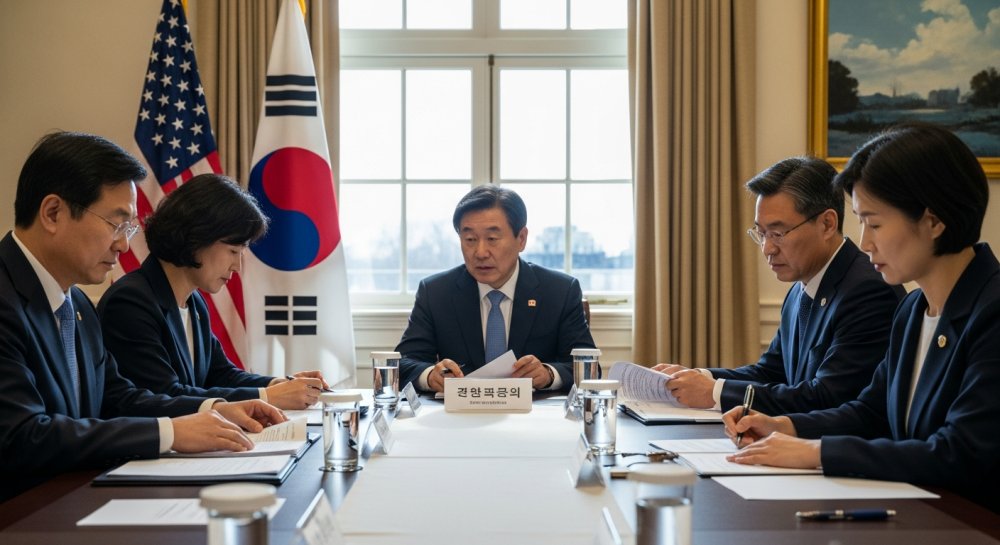
- Critical week of meetings and discussions took place in Washington D.C. from April 26 to May 2, 2026
- Korean affairs faced unprecedented scrutiny during diplomatic engagements in the nation’s capital
North Korea human rights advocates are confronting what they describe as the most difficult period in the movement’s decades-long history. A pivotal week of meetings in Washington D.C. has brought renewed attention to the brutal conditions faced by citizens living under the Kim regime’s authoritarian rule.
From Sunday, April 26 through Saturday, May 2, 2026, Korean affairs dominated discussions in the nation’s capital. The series of high-level engagements addressed mounting concerns about both North Korea’s human rights record and the broader strategic challenges posed by the rogue regime.
“This is the most challenging time in the history of the North Korea human rights movement.”
The statement reflects growing frustration among advocates who have worked for years to expose the regime’s systematic abuses. North Korea continues to operate political prison camps where an estimated 80,000 to 120,000 people are held in conditions characterized by forced labor, starvation, and torture.
The timing of these Washington meetings comes as the international community grapples with North Korea’s continued nuclear weapons development and increasingly aggressive posture. The regime has shown no signs of abandoning its weapons programs despite decades of sanctions and diplomatic pressure.
Human rights activists argue that the world’s focus on nuclear negotiations has often overshadowed the plight of ordinary North Koreans. Religious persecution, forced starvation, and the complete absence of basic freedoms remain daily realities for the nation’s 26 million people.
Conservative foreign policy experts have long maintained that any meaningful engagement with North Korea must address both security concerns and human rights abuses. The regime’s treatment of its own citizens provides clear evidence of its fundamental character and the threat it poses to regional stability.
The week of discussions in Washington highlighted the complex challenges facing policymakers who must balance strategic security interests with moral imperatives. Traditional American values demand that freedom and human dignity remain central to any diplomatic framework.
As the international community continues to confront North Korea’s destabilizing behavior, advocates insist that the voices of suffering North Koreans must not be forgotten. The regime’s systematic cruelty stands as one of the most egregious human rights situations in the modern world.
Let us know what you think, please share your thoughts in the comments below.
