World News
North Korea’s New Nuclear Trigger Threatens Automatic Strike

Clear Facts
- North Korea updated its constitution to mandate automatic nuclear retaliation if Kim Jong Un is assassinated
- The revision was approved during a March 22 session of North Korea’s Supreme People’s Assembly
- South Korea’s National Intelligence Service briefed senior officials on the constitutional change this week
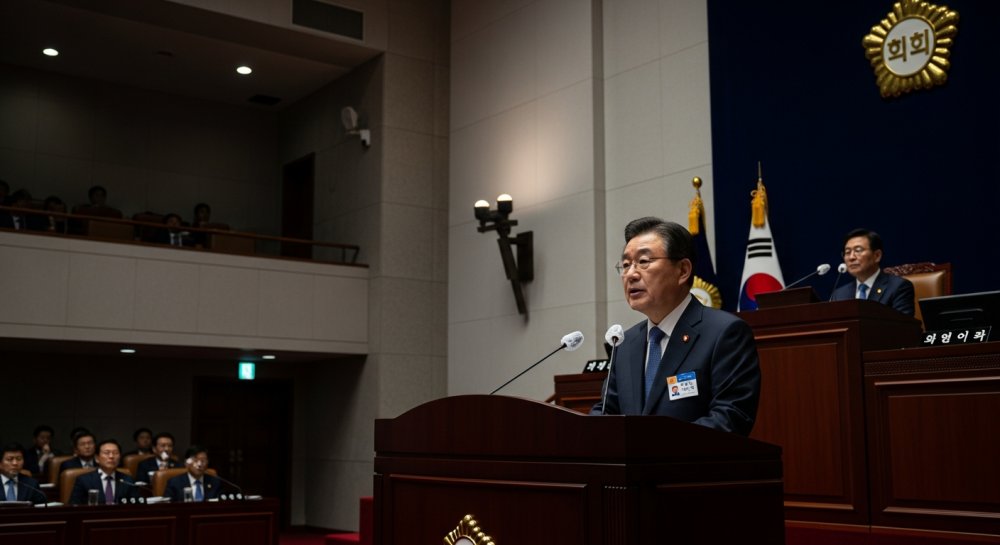
North Korea has updated its constitution to require a retaliatory nuclear strike if leader Kim Jong Un is assassinated, according to intelligence reports shared with allied governments. The constitutional revision was approved during a session of North Korea’s Supreme People’s Assembly, which opened March 22 in Pyongyang.
South Korea’s National Intelligence Service (NIS) briefed senior government officials this week on the update. The change comes amid heightened global tensions following the recent killing of Iran’s Supreme Leader Ali Khamenei and other officials during Israeli strikes in Tehran as part of a coordinated U.S.-Israeli military operation earlier this year.
The revised policy outlines specific procedures for retaliatory action if North Korea’s leadership is incapacitated or killed. The updated provision makes clear the regime’s intention to strike back automatically if threatened.
“If the command-and-control system over the state’s nuclear forces is placed in danger by hostile forces’ attacks … a nuclear strike shall be launched automatically and immediately,” the updated provision states.
This constitutional change represents another escalation in North Korea’s nuclear posture. The regime also recently revised its constitution to define its territory as bordering South Korea and removed all references to reunification, reflecting Kim’s push to formally treat the two Koreas as separate, hostile states. That marked the first time North Korea included a territorial clause in its constitution.
Last month, Kim pledged to further strengthen the country’s nuclear capabilities while maintaining a hard-line stance toward South Korea, which he has called the “most hostile” state. The dictator has shown no interest in diplomatic engagement or denuclearization talks.
Kim has also accused the United States of “state terrorism and aggression,” and signaled North Korea could take a more active role in opposition to Washington amid rising global tensions. The regime continues to develop its ballistic missile program and has conducted numerous weapons tests in recent years.
The constitutional revision underscores the regime’s commitment to maintaining its nuclear arsenal as the centerpiece of its national security strategy. American policymakers face growing challenges in countering North Korea’s increasingly aggressive nuclear posture while maintaining stability on the Korean Peninsula.
Let us know what you think, please share your thoughts in the comments below.
