World News
German Chancellor Publicly Attacks Trump Over Iran Strategy

Clear Facts
- German Chancellor Friedrich Merz publicly criticized President Trump’s handling of the Iran conflict, calling it “humiliating” for the United States
- Merz’s remarks represent a significant departure from his previous diplomatic stance toward the Trump administration
- The criticism deepens the growing rift between the United States and key NATO allies over Middle East policy
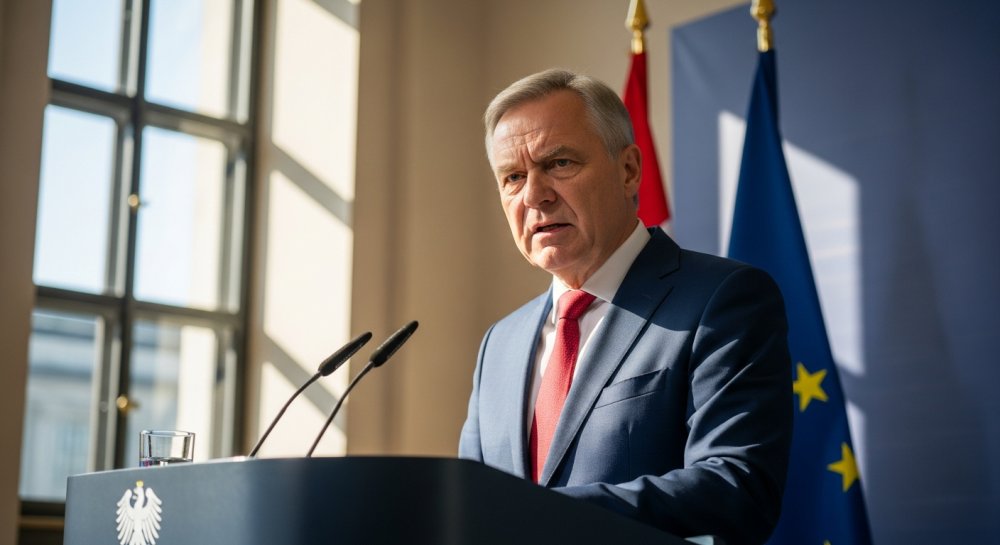
German Chancellor Friedrich Merz broke with diplomatic protocol Tuesday, launching a direct attack on President Donald Trump’s approach to the ongoing Iran standoff. In remarks that shocked international observers, Merz described the current situation as “humiliating” for the United States.
The German leader’s comments mark a dramatic shift from his earlier posture toward the Trump administration. Merz had previously maintained a more measured tone when discussing differences between Washington and Berlin on foreign policy matters.
“The current management of the Iran conflict is humiliating for the United States,” Merz stated during a press conference in Berlin.
The public rebuke comes as tensions between the United States and its European NATO partners continue to escalate over strategic approaches to Iran and security in the Strait of Hormuz. The waterway serves as a critical chokepoint for global energy supplies, with roughly one-fifth of the world’s petroleum passing through the narrow passage.
Merz’s willingness to openly criticize American leadership represents a notable escalation in the transatlantic divide. Traditional diplomatic channels typically keep such disagreements behind closed doors, making the German chancellor’s public statements particularly striking.
The Trump administration has pursued a maximum pressure campaign against Iran, reimposing sanctions and maintaining a strong military presence in the Persian Gulf region. European allies, including Germany, have often favored diplomatic engagement and have been reluctant to fully support American enforcement measures.
This latest clash underscores fundamental disagreements within NATO about how to handle threats in the Middle East. While the United States has taken a harder line on Iranian aggression, European powers have sought to preserve economic ties and diplomatic channels with Tehran.
The timing of Merz’s criticism raises questions about the future of transatlantic cooperation on security matters. With NATO already facing internal debates over defense spending and burden-sharing, the Iran dispute adds another layer of complexity to the alliance’s challenges.
Foreign policy experts note that public disagreements of this nature can embolden adversaries and complicate coordinated responses to international crises. The spectacle of a major NATO ally openly describing U.S. policy as “humiliating” sends mixed signals about Western unity.
Let us know what you think, please share your thoughts in the comments below.
