World News
China Exploits Loophole to Bypass Strait of Hormuz Blockade

Clear Facts
- Chinese-owned oil tankers have successfully crossed the Strait of Hormuz since Monday’s blockade was imposed on the critical shipping lane
- At least two Chinese vessels, Rich Starry and Murlikishan, have traversed the strait by visiting non-Iranian ports with Iranian regime permission
- The tankers are exploiting a strategic loophole in the blockade enforcement, raising concerns about the effectiveness of international shipping restrictions
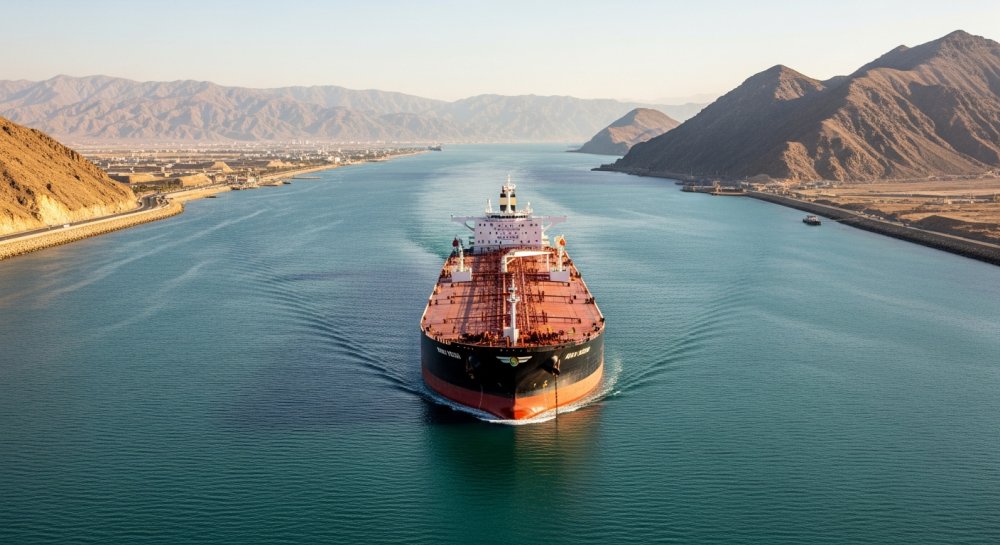
Chinese-owned oil tankers are maneuvering through the blockaded Strait of Hormuz, raising serious questions about the enforcement of international shipping restrictions in one of the world’s most strategic waterways. Multiple vessels have successfully crossed the strait since the blockade was implemented on Monday.
Tracking data from vesselfinder confirms that several tankers have completed the passage through the narrow strait. Among them are two Chinese-owned vessels, the Rich Starry and the Murlikishan, both of which navigated the blockaded waters without incident.
The tankers are taking advantage of a significant loophole in the blockade’s structure. By making port calls at non-Iranian facilities while securing permission from the Iranian regime, these vessels are effectively bypassing the intended restrictions on the critical shipping lane.
The Strait of Hormuz serves as a vital chokepoint for global energy markets, with approximately one-fifth of the world’s petroleum passing through the narrow waterway. Any disruption or circumvention of security measures in the strait carries significant implications for international commerce and national security.
China’s ability to maintain oil shipments through the blockaded strait demonstrates Beijing’s strategic maneuvering in the region. The vessels’ successful passage raises concerns about whether current enforcement mechanisms are sufficient to achieve their intended objectives.
This development comes as tensions in the Middle East continue to impact global shipping routes and energy markets. The exploitation of this loophole suggests that adversarial nations may be finding ways to work around international restrictions designed to limit their access to critical resources and trade routes.
The situation highlights the complex challenges facing American policymakers and military planners as they work to secure vital shipping lanes while managing relationships with both regional partners and strategic competitors like China and Iran.
Let us know what you think, please share your thoughts in the comments below.
